Trans-Love by John Sinclair Seeds
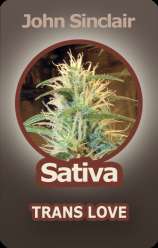
Trans-Love lands on the sativa-leaning side of the spectrum, John Sinclair Seeds's take on the Sativa × Sativa line. Indoors it typically finishes flowering in around 73 days after the flip to 12/12. The environment targets below are the same stage-by-stage bands the Cultivar journal grades real Trans-Love grows against.
🌿 Start a Trans-Love journal — free →
Similar strains
| Breeder | John Sinclair Seeds |
|---|---|
| Type | mostly sativa |
| Flowering time | ±73 days |
| Environment | Outdoors |
| Lineage | Sativa × Sativa |
🌱 Get Trans-Love seeds →
Affiliate link — supports Cultivar at no cost to you.
🧬 Explore the family: Sativa · Sativa
Ancestry Pedigree
Original Strains
Original Strains
Growing Trans-Love: what to expect
As a sativa-leaning plant, plan for a big stretch after the flip (often 100–200%) — flip earlier than feels natural and keep training options ready. Sativa-leaning plants also generally prefer a lighter feed than heavy indicas. Growers familiar with Sativa or Sativa will recognize much of its behavior. Whatever the listing says, the cut in YOUR tent is the ground truth: log feedings, readings, and photos, and let the trends — not the label — drive decisions.
Trans-Love FAQ
How long does Trans-Love take to flower?
Trans-Love typically flowers in around 73 days after switching to a 12/12 light schedule. Individual phenotypes vary, so judge harvest readiness by trichome color, not the calendar.
Is Trans-Love an indica or a sativa?
Trans-Love is listed as mostly sativa.
What are the parents of Trans-Love?
Trans-Love was bred from Sativa × Sativa by John Sinclair Seeds.
What environment does Trans-Love like?
Standard cannabis bands work well: VPD 0.8–1.1 kPa in veg and 1.0–1.4 kPa in flower, with humidity stepping down from 65–75% as a seedling to 40–50% in late flower. See the stage-by-stage table on this page.
📷 Growing Trans-Love and something looks off? Free AI photo diagnosis →
Facts compiled from public breeder listings. Growing Trans-Love? A structured journal — with your feedings, readings, and photos — is how you find what THIS cut actually wants.
Track your own grow free — the journal grades your environment against these bands →
Get the one-page grow reference card
VPD, pH by medium, deficiency symptoms and dry/cure targets on a single printable page. Free — plus the occasional grow-data breakdown. No spam, unsubscribe in one click.