Tasman Haze by Kiwiseeds
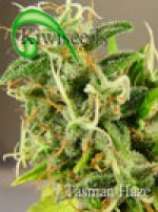
Tasman Haze, from breeder Kiwiseeds, is a sativa-leaning strain descended from Sativa × Mostly Sativa. Indoors it typically finishes flowering in around 65 days after the flip to 12/12. The environment targets below are the same stage-by-stage bands the Cultivar journal grades real Tasman Haze grows against.
🌿 Start a Tasman Haze journal — free →
Similar strains
| Breeder | Kiwiseeds |
|---|---|
| Type | mostly sativa |
| Flowering time | ±65 days |
| Environment | Outdoors |
| Lineage | Sativa × Mostly Sativa |
🌱 Get Tasman Haze seeds →
Affiliate link — supports Cultivar at no cost to you.
🧬 Explore the family: Sativa · Mostly Sativa
Ancestry Pedigree
Original Strains
Original Strains
Growing Tasman Haze: what to expect
As a sativa-leaning plant, plan for a big stretch after the flip (often 100–200%) — flip earlier than feels natural and keep training options ready. Sativa-leaning plants also generally prefer a lighter feed than heavy indicas. Growers familiar with Sativa or Mostly Sativa will recognize much of its behavior. Whatever the listing says, the cut in YOUR tent is the ground truth: log feedings, readings, and photos, and let the trends — not the label — drive decisions.
Tasman Haze FAQ
How long does Tasman Haze take to flower?
Tasman Haze typically flowers in around 65 days after switching to a 12/12 light schedule. Individual phenotypes vary, so judge harvest readiness by trichome color, not the calendar.
Is Tasman Haze an indica or a sativa?
Tasman Haze is listed as mostly sativa.
What are the parents of Tasman Haze?
Tasman Haze was bred from Sativa × Mostly Sativa by Kiwiseeds.
What environment does Tasman Haze like?
Standard cannabis bands work well: VPD 0.8–1.1 kPa in veg and 1.0–1.4 kPa in flower, with humidity stepping down from 65–75% as a seedling to 40–50% in late flower. See the stage-by-stage table on this page.
📷 Growing Tasman Haze and something looks off? Free AI photo diagnosis →
Facts compiled from public breeder listings. Growing Tasman Haze? A structured journal — with your feedings, readings, and photos — is how you find what THIS cut actually wants.
Track your own grow free — the journal grades your environment against these bands →
Get the one-page grow reference card
VPD, pH by medium, deficiency symptoms and dry/cure targets on a single printable page. Free — plus the occasional grow-data breakdown. No spam, unsubscribe in one click.