Pacific G13 by Clone Only Strains
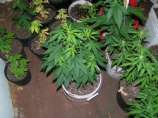
The folklore surrounding the original G13 is arguably the wildest mythos in cannabis history, but the Pacific G13 cut is a tangible, clone-only legend that real old school growers still talk about with extreme reverence. While nobody can definitively prove it was stolen from a covert government facility in Mississippi, most seasoned breeders agree this cut likely originated from Nevil Schoenmakers’ early F1 hybrid projects over at The Seed Bank in the 1980s. The 'Pacific' moniker comes from the legendary forum user who preserved and passed around this specific cutting, cementing its status as one of the most sought-after indicas on the underground circuit.
Growing the Pacific G13 clone requires a bit of patience and respect for its old-world genetics. She usually finishes flowering in about 53 to 60 days, pumping out chunky, resin-drenched buds that look like they were rolled in powdered sugar. You won't find pure seeds of this plant anywhere—anything sold as Pacific G13 in seed form is a backcross or hybrid project from guys trying to capture lightning in a bottle. The true clone produces an earthy, woody, and slightly hashy aroma that screams vintage Afghan heritage, completely distinct from the candy and dessert strains flooding today's dispensaries.
When it comes to the smoke, the Pacific cut is renowned for delivering a devastating, full-body stone. It doesn't give you a buzzy, giggly high; it acts more like a sledgehammer to the nervous system, making it an absolute godsend for heavy pain relief and insomnia. The flavor is a thick, old-school hash taste that coats your lungs and instantly makes your eyelids heavy. Finding a verified cut of Pacific G13 today is like finding a needle in a haystack, but those who still hold the mother plant know they are guarding a vital piece of underground cannabis heritage.
🌿 Start a Pacific G13 journal — free →
Similar strains
| Breeder | Clone Only Strains |
|---|---|
| Type | mostly indica |
| Flowering time | ±53 days |
| Environment | Indoors, Outdoors, Greenhouse |
| Lineage | G-13 × Unknown Strain |
| Descendants | Killer Queen Redux, Green Manalishi, Dutchgrown Seeds - LUI 13, BC Love Lettuce, G Bolt, P.O.W., Riot Seeds - Pearl Harbor, Maninblack |
🌱 Get Pacific G13 seeds →
Affiliate link — supports Cultivar at no cost to you.
🧬 Explore the family: G-13 · Unknown Strain · Killer Queen Redux · Green Manalishi · Dutchgrown Seeds - LUI 13 · BC Love Lettuce · G Bolt · P.O.W. · Riot Seeds - Pearl Harbor · Maninblack
Ancestry Pedigree
Unknown or Legendary
Original Strains
Original Strains
Growing Pacific G13: what to expect
As an indica-leaning plant, expect a modest stretch after the flip (roughly 50–100%) and dense bud structure — which makes late-flower humidity discipline the main risk: keep RH in the 40s once buds fatten to stay ahead of mold. Growers familiar with G-13 or Unknown Strain will recognize much of its behavior. Whatever the listing says, the cut in YOUR tent is the ground truth: log feedings, readings, and photos, and let the trends — not the label — drive decisions.
Pacific G13 FAQ
How long does Pacific G13 take to flower?
Pacific G13 typically flowers in around 53 days after switching to a 12/12 light schedule. Individual phenotypes vary, so judge harvest readiness by trichome color, not the calendar.
Is Pacific G13 an indica or a sativa?
Pacific G13 is listed as mostly indica.
What are the parents of Pacific G13?
Pacific G13 was bred from G-13 × Unknown Strain by Clone Only Strains.
What environment does Pacific G13 like?
Standard cannabis bands work well: VPD 0.8–1.1 kPa in veg and 1.0–1.4 kPa in flower, with humidity stepping down from 65–75% as a seedling to 40–50% in late flower. See the stage-by-stage table on this page.
📷 Growing Pacific G13 and something looks off? Free AI photo diagnosis →
Facts compiled from public breeder listings. Growing Pacific G13? A structured journal — with your feedings, readings, and photos — is how you find what THIS cut actually wants.
Track your own grow free — the journal grades your environment against these bands →
Get the one-page grow reference card
VPD, pH by medium, deficiency symptoms and dry/cure targets on a single printable page. Free — plus the occasional grow-data breakdown. No spam, unsubscribe in one click.